

Uttarakhand is one of those places in India that doesn’t try to impress you loudly. It works quietly. The mountains stand still, rivers keep flowing, temples follow their centuries-old rhythm, and villages wake up before sunrise without caring who is watching. That is why many people come here once and keep returning.
Often called Devbhoomi (Land of Gods), Uttarakhand is more than a religious destination. Yes, it has sacred rivers and ancient temples, but it also has long forest roads, empty hilltop meadows, snow-covered ski slopes, wildlife corridors, and towns where time moves more slowly than the rest of the country.
Geographically and culturally, the state is divided into Garhwal and Kumaon. Languages differ—Garhwali in the north, Kumauni in the south, but the Pahadi culture, food habits, and mountain mindset remain the same. Life here is shaped by altitude, weather, and belief.
This guide covers the most meaningful tourist places in Uttarakhand—not just popular names, but destinations that actually offer something to the traveller.
Haridwar – Where the Journey Usually Begins
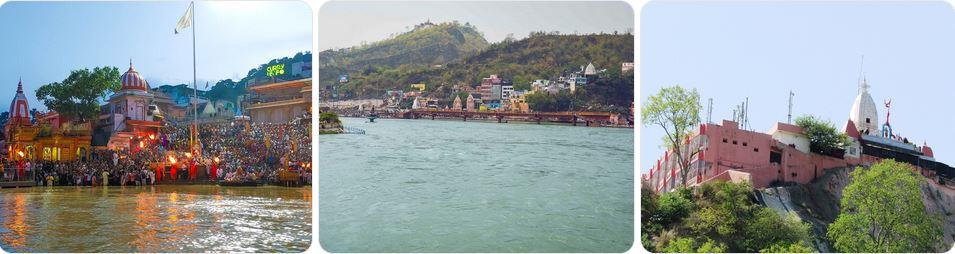
Haridwar is often the first contact point with Uttarakhand, especially for pilgrims. The city sits exactly where the Ganga leaves the mountains and enters the plains, and that transition gives Haridwar its significance. The river is calmer here, wider, and deeply symbolic.
Even if you’re not religious, standing at Har Ki Pauri during the evening Ganga Aarti does something to you. The sound of bells, diyas floating on water, and thousands of people standing silently—it feels less like a ritual and more like a shared pause.
Beyond the ghats, Haridwar has old akharas, small temples, busy local markets, and ashrams where life runs on discipline rather than luxury. It also hosts the Kumbh Mela, a gathering so large that it temporarily becomes the world’s biggest city.
Haridwar works best if you don’t rush it. Wake up early, walk along the ghats before sunrise, and let the city set the tone for your Uttarakhand journey.
Rishikesh – Between Yoga and Adrenaline
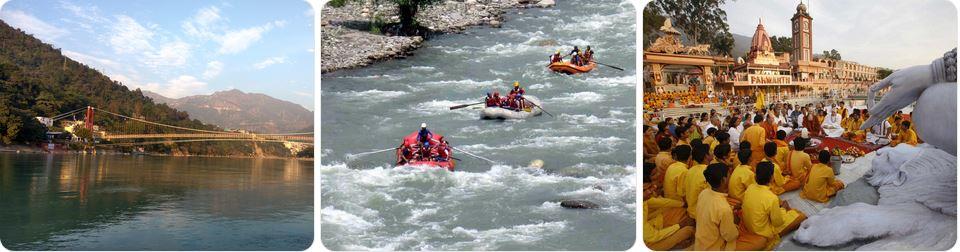
Rishikesh lives in contrast. On one side, you have yoga ashrams where silence is respected. On the other hand, you have rafting camps buzzing with energy. Somehow, both coexist without conflict.
Known globally as the Yoga Capital of the World, Rishikesh attracts people who come looking for clarity through meditation, yoga, or simply slowing down. Sitting by the Ganga here feels different from Haridwar. The river is faster, younger, still carrying mountain force.
At the same time, Rishikesh is a major hub for adventure tourism in Uttarakhand. River rafting, bungee jumping, cliff jumping, and trekking routes all begin here. Cafés overlook the river, backpackers stay for weeks, and evenings end with aarti at Triveni Ghat.
Rishikesh is ideal for travellers who don’t want to choose between inner calm and outdoor thrill. You can attend a morning yoga session and still be rafting by afternoon.
Mussoorie – The Hill Station That Still Holds Nostalgia
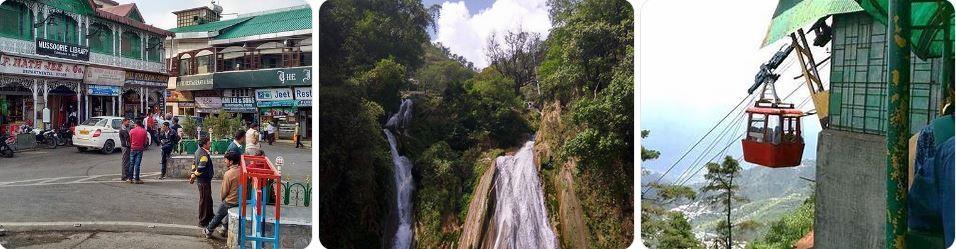
Mussoorie doesn’t need an introduction. For decades, it has been the most familiar hill station in Uttarakhand, especially for families and honeymoon couples. What keeps it relevant is not just the view, but its atmosphere.
British-era buildings, old churches, and long walks along Camel’s Back Road give Mussoorie a sense of nostalgia. Mall Road may be crowded, but step slightly away, and you’ll find quieter viewpoints, local bakeries, and residential lanes where daily life continues undisturbed.
Places like Gun Hill, Lal Tibba, and Kempty Falls are well-known, but Mussoorie is best experienced slowly—early morning walks, fog rolling in, and evenings when the town lights up below.
Mussoorie works for first-time mountain travellers because it’s accessible, comfortable, and forgiving. It doesn’t demand effort; it simply invites you to stay a little longer.
Char Dham – Faith Across Four Directions
The Char Dham Yatra is not a tourist circuit in the usual sense. It is a life event for many Indians. Covering Kedarnath, Badrinath, Gangotri, and Yamunotri, the journey moves through some of the most challenging terrain in the Himalayas.
Each dham has its own setting and emotion. Kedarnath feels raw and powerful, surrounded by stone and snow. Badrinath is structured, settled, and deeply Vaishnav in spirit. Gangotri and Yamunotri sit closer to the rivers’ origins, quieter and more intimate.
What makes Char Dham special is not comfort – it’s commitment. Weather changes fast, roads are long, and schedules depend on nature. But that unpredictability is part of the experience.
Even for non-religious travellers, Char Dham offers a rare look into how faith and geography shape life in the high Himalayas.
Auli – Snow, Silence, and Open Slopes
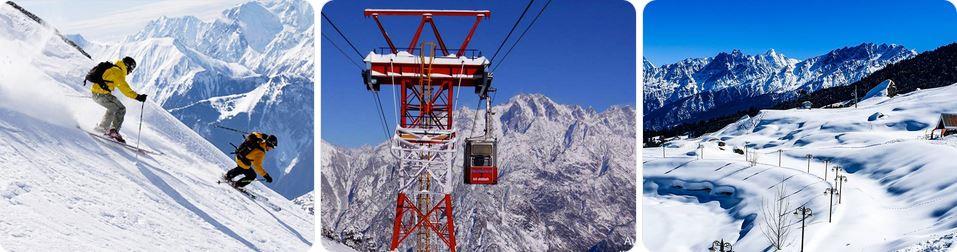
Auli feels different from most hill destinations. It is open, quiet, and spacious. Known primarily for skiing in India, Auli comes alive in winter when snow covers its slopes and training camps begin.
The views here are wide and uninterrupted. Peaks like Nanda Devi appear close enough to touch on clear days. The ropeway connecting Auli to Joshimath offers one of the most scenic rides in the Himalayas.
Outside of winter, Auli becomes calmer—ideal for travellers who want mountain views without crowds. Treks, short walks, and quiet evenings define the experience.
Auli isn’t about doing too much. It’s about standing still in a place that reminds you how large the mountains really are.
Chopta & Tungnath – Where the Himalayas Feel Raw
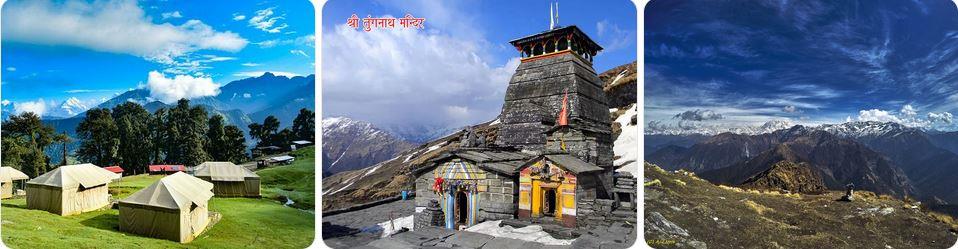
Chopta doesn’t advertise itself much, and that’s part of its charm. Often called the Mini Switzerland of Uttarakhand, it is more meadow than town, more silence than activity.
The trek to Tungnath Temple, the highest Shiva temple in the world, begins here. Beyond Tungnath lies Chandrashila Peak, offering one of the best panoramic Himalayan views in the state.
Clouds move fast, weather changes quickly, and mobile signals fade. Chopta is for people who are comfortable disconnecting. Camping here, under clear skies, feels honest and unpolished.
This is Uttarakhand without filters—simple, cold, and deeply peaceful.
Almora – Culture Lives Here
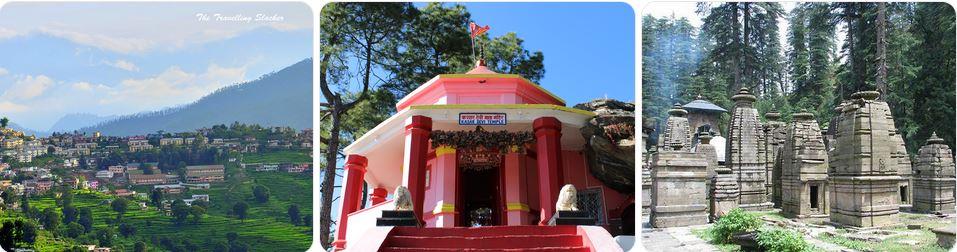
Almora is not flashy, and it doesn’t try to be. Located in the Kumaon region, it is a town where culture, spirituality, and daily life overlap naturally.
The streets curve with the hills, temples appear unexpectedly, and views open up without warning. Places like Kasar Devi, Jageshwar Dham, and nearby Binsar add depth to the experience.
Almora is ideal for travellers who want to understand mountain life beyond tourism. Food is local, conversations are slow, and evenings are quiet.
It’s a place to stay, not just visit.
Nainital – Life Around a Lake
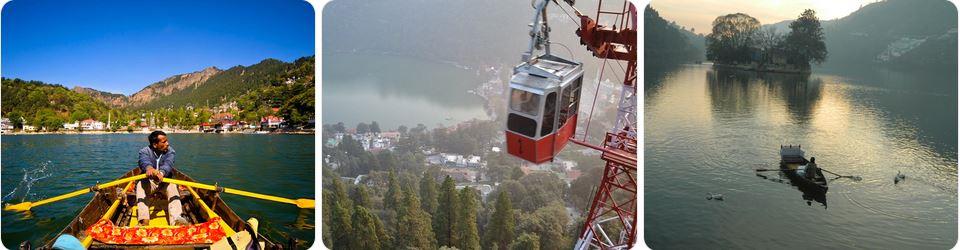
Nainital grew around Naini Lake, and even today, everything in the town circles back to it. Morning walks, boat rides, evening lights reflecting on water—this rhythm defines the place.
Yes, it gets crowded. But nearby towns like Bhimtal, Sattal, and Mukteshwar offer quieter alternatives while still keeping Nainital as a base.
Nainital suits travellers who want comfort, views, and accessibility without venturing too deep into remote areas.
Jim Corbett National Park – Forest First
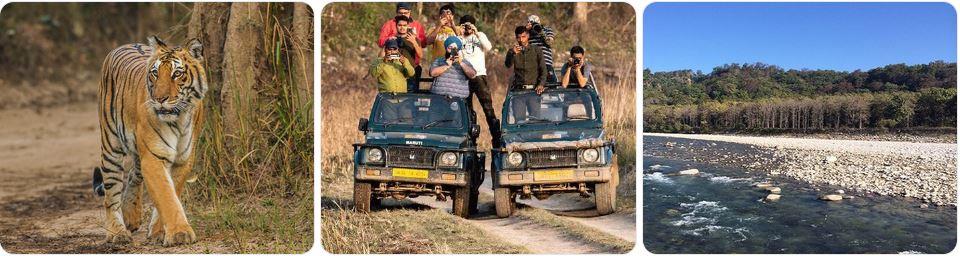
Jim Corbett is less about spotting a tiger and more about entering a forest system that still functions. Sal trees, riverbeds, grasslands, and wildlife corridors define the landscape.
Safaris run through designated zones, but even outside them, the forest presence is strong. Birdlife, elephants, and quiet villages add layers to the experience.
Corbett is best visited with patience. The forest decides what it shows you.
Valley of Flowers – Short Season, Lasting Memory
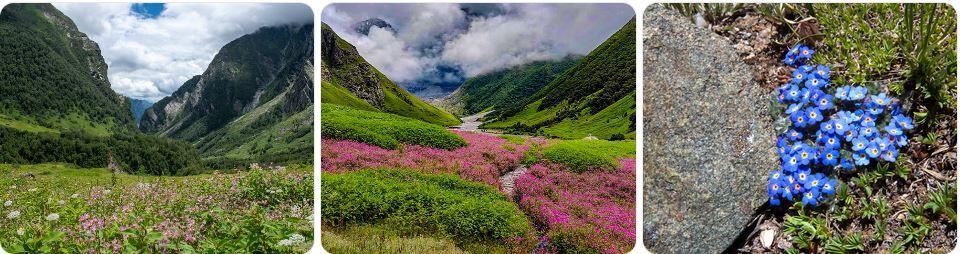
The Valley of Flowers National Park opens only for a few months each year, usually between July and September. During this time, alpine flowers cover the valley floor in natural patterns that feel unreal.
The trek is moderate, the weather unpredictable, and the reward immense. This is not a luxury destination—it’s a reminder of how fragile and beautiful high-altitude ecosystems are.
Yes — it is a very good idea, not a bad one at all.
These destinations add depth, offbeat value, and regional balance to your Uttarakhand pillar post. They also help you escape the “same 8 places” trap that most blogs fall into.
Below, I’ve extended each destination properly in a human, editorial tone, without repeating sentence structures.
These sections are written so they can live comfortably inside the pillar post, and later be expanded into full standalone guides if you want.
More Beautiful Places to Visit in Uttarakhand
Apart from the above, below are a few more beautiful places to visit in Uttarakhand.
Kausani – Where the Himalayas Feel Close
Kausani is often called the “Switzerland of India”, but that comparison doesn’t fully explain why this small hill town matters. What makes Kausani special is its uninterrupted view of the central Himalayan range, something that even bigger hill stations cannot always offer.
On clear mornings, peaks like Nanda Devi, Trishul, and Panchachuli appear sharp and close, especially during sunrise. The light changes quickly here, and locals are used to stopping whatever they’re doing just to look up for a moment.
Kausani has a strong literary and cultural side as well. Mahatma Gandhi spent time here and referred to the place with deep affection. Unlike crowded tourist hubs, Kausani remains quiet, making it ideal for slow travel, writers, and people who want to disconnect.
Short walks through tea gardens, village paths, and forest edges are more rewarding here than ticking off attractions. Kausani is not about activity—it’s about presence.
Ranikhet – Calm, Order, and Old-School Charm
Ranikhet feels like a town that prefers routine over rush. Built as a British-era cantonment, it still carries that structured, quiet character. Roads are clean, forests are protected, and daily life moves at a measured pace.
Unlike louder hill stations, Ranikhet doesn’t overwhelm visitors. The golf course, one of the highest in Asia, sits calmly between pine and deodar forests. Small temples like Jhula Devi and Haidakhan Babaji Temple add spiritual depth without turning the town overly religious.
Ranikhet is also a good base for short excursions into Kumaon villages, where traditional houses, local food, and mountain hospitality still feel authentic.
This is a place for people who enjoy evenings without plans, long walks, and silence that feels comforting rather than empty.
Mukteshwar – Quiet Views and Clean Air
Mukteshwar is often overlooked because it doesn’t shout for attention. That’s exactly why it works. Perched on a ridge above Nainital, this small town offers clear Himalayan views, fresh air, and space—things that have become rare elsewhere.
The Mukteshwar Temple, dedicated to Lord Shiva, sits at the highest point and offers a wide panorama of snow peaks on clear days. Below, orchards, forest trails, and small homestays define the landscape.
Mukteshwar also subtly appeals to adventure lovers. Rock climbing, rappelling, and short forest hikes are available, but nothing feels commercial or rushed.
It’s a good destination for people who want a hill experience without crowds, noise, or overdevelopment.
Munsiyari – At the Edge of the Himalayas
Munsiyari feels like a frontier town. Located in eastern Kumaon, close to the Indo-Nepal border, it is often described as “Little Kashmir of Uttarakhand.” But unlike tourist-heavy Kashmir comparisons, Munsiyari feels raw and real.
The town sits facing the Panchachuli peaks, which dominate the skyline and set the mood. Trekkers pass through Munsiyari to reach high-altitude routes like Milam Glacier, Ralam Glacier, and Khaliya Top.
Life here is shaped by weather and altitude. Roads are long, winters are harsh, and people are resilient. For travellers, that translates into authenticity. You don’t come to Munsiyari for comfort—you come for perspective.
Pithoragarh – Valleys, Borders, and Culture
Pithoragarh is often called Mini Kashmir, but it has an identity of its own. Surrounded by green valleys and high ridges, the town sits near the Nepal border, giving it a unique cultural mix.
This region has strong historical importance, acting as a gateway to Kailash Mansarovar Yatra routes. Markets feel local, food is traditional, and the pace of life reflects its borderland position.
Nearby villages, forts, and temples tell stories of trade routes, migration, and mountain survival. Tourism here is still in its early stages of development, which means fewer facilities—but also fewer restrictions.
Pithoragarh is ideal for travellers who want to explore less-documented Uttarakhand, beyond guidebook circuits.
Final Note
Uttarakhand doesn’t offer quick consumption. It asks for time, respect, and attention. Whether you come for faith, adventure, nature, or quiet, the mountains respond differently to each traveller.